Formula Feeding Schedule by Age: 0-12 Months Complete Guide
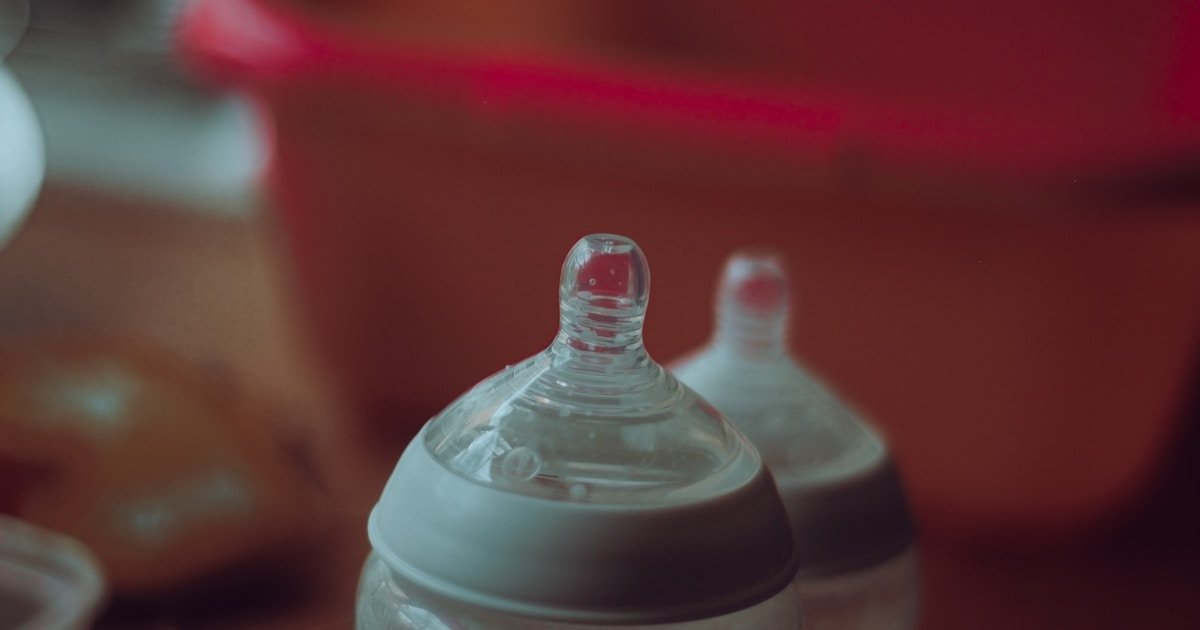
Formula-fed newborns drink 1–2 ounces every 2–3 hours in the first days, increasing to 6–8 ounces per feeding by 6 months. A general rule: babies need about 2.5 ounces of formula per pound of body weight per day, with a maximum of 32 ounces in 24 hours. This guide covers formula amounts, feeding frequency, preparation safety, and the transition to solid foods from birth to 12 months.
Formula Feeding Quick Reference by Age
| Age | Feedings/24h | Volume per Feed | Daily Total | Notes |
|---|---|---|---|---|
| 0–1 week | 8–12 | 1–2 oz (30–60 ml) | Varies | Tiny stomach; frequent feeds |
| 1–4 weeks | 8–10 | 2–4 oz (60–120 ml) | 16–32 oz (480–960 ml) | More predictable schedule |
| 1–2 months | 6–8 | 3–5 oz (90–150 ml) | 24–32 oz (710–960 ml) | May drop night feeding |
| 3–4 months | 6–8 | 4–6 oz (120–180 ml) | 24–32 oz (710–960 ml) | Every 3–4 hours |
| 5–6 months | 4–6 | 6–8 oz (180–240 ml) | 24–32 oz (710–960 ml) | Start solids at ~6 months |
| 7–9 months | 4–5 | 6–8 oz (180–240 ml) | 24–32 oz (710–960 ml) | Solids become 25–50% of diet |
| 10–12 months | 3–4 | 6–8 oz (180–240 ml) | 16–24 oz (470–710 ml) | Transition to cup; solids ~67% |
Note: Every baby is different. The ranges above are guidelines from the AAP and CDC, not strict rules. Watch your baby's hunger cues rather than forcing a specific amount. The maximum recommended formula intake is 32 ounces per 24 hours. If your baby consistently wants more, talk to your pediatrician about starting solids. (AAP)
The 2.5 oz/lb Rule: How to Calculate Formula Needs
The AAP provides a simple formula for estimating daily formula needs:
Daily formula (oz) = Baby's weight (lb) × 2.5
| Baby's Weight | Estimated Daily Formula |
|---|---|
| 6 lb (2.7 kg) | 15 oz (450 ml) |
| 8 lb (3.6 kg) | 20 oz (600 ml) |
| 10 lb (4.5 kg) | 25 oz (750 ml) |
| 12 lb (5.4 kg) | 30 oz (900 ml) |
| 14 lb (6.4 kg) | 32 oz (960 ml) — max |
Source: The AAP recommends about 2.5 ounces of formula per pound of body weight per day, capped at 32 ounces. (AAP)
Important: This is a starting point, not a strict rule. Some babies need more, some less. Let your baby's hunger and fullness cues guide you.
0–1 Month: The First Days
Newborns have tiny stomachs — about the size of a cherry on day 1, growing to an apricot by week 1. They need small, frequent feedings.
What to expect
- Feeding frequency: 8–12 times per 24 hours (every 2–3 hours)
- Volume per feed: 1–2 oz (30–60 ml) in the first few days, increasing to 2–3 oz by week 2
- Night feedings: Essential — newborns should not go longer than 4–5 hours without feeding in the first month
- Schedule: Not yet predictable — feed on demand
Tips for this period
- Feed on demand. Watch for hunger cues: rooting, sucking hands, lip smacking. Crying is a late hunger cue. (CDC)
- Wake to feed if needed. If your baby sleeps longer than 4–5 hours in the first month, wake them to feed. (AAP)
- Don't overfeed. If your baby turns away, fusses, or gets distracted, they're probably full. Overfeeding in infancy can lead to unhealthy weight patterns. (AAP)
- Use iron-fortified formula. Iron-fortified infant formula is the recommended alternative to breast milk. (AAP)
1–2 Months: Establishing a Rhythm
By month 1, most formula-fed babies are on a more predictable schedule, feeding every 3–4 hours.
What to expect
- Feeding frequency: 6–8 times per 24 hours (every 3–4 hours)
- Volume per feed: 3–5 oz (90–150 ml)
- Daily total: 24–32 oz (710–960 ml)
- Night feeding: Many babies drop the middle-of-the-night feeding between 2–4 months, or when they weigh at least 12 lb (5.4 kg). (AAP)
Tips for this period
- Let your baby set the pace. Formula-fed babies typically feed less frequently than breastfed babies because formula takes longer to digest. (Cleveland Clinic)
- Don't force the last ounce. If your baby stops sucking and turns away, respect that — they're full.
- Burp midway. Pause halfway through the bottle to burp, then offer the rest.
3–4 Months: Bigger Bottles, Longer Intervals
Your baby's stomach capacity grows, allowing larger feeds and longer intervals.
What to expect
- Feeding frequency: 6–8 times per 24 hours (every 3–4 hours)
- Volume per feed: 4–6 oz (120–180 ml)
- Daily total: 24–32 oz (710–960 ml)
- Night sleep: Many babies sleep 4–5 hour stretches
Tips for this period
- Hold your baby during feeding. Never prop a bottle — it can cause choking, ear infections, and tooth decay. (CDC)
- Don't add cereal to the bottle. Adding rice cereal to formula does not help babies sleep longer and can lead to overfeeding. (AAP)
- Watch the 32 oz limit. If your baby consistently wants more than 32 oz/day, discuss starting solids with your pediatrician.
5–6 Months: Preparing for Solids
Formula remains the primary nutrition source. Around 6 months, complementary foods begin.
What to expect
- Feeding frequency: 4–6 times per 24 hours
- Volume per feed: 6–8 oz (180–240 ml)
- Daily total: 24–32 oz (710–960 ml) — peak formula intake
- Solids: Begin at ~6 months with iron-rich foods
Tips for this period
- Introduce solids at 6 months. The AAP and WHO recommend exclusive milk feeding for about 6 months. (AAP, WHO)
- Formula is still the main food. Solids are complementary — most calories still come from formula at this age.
- Start with iron-rich foods. Iron-fortified cereal, pureed meat, or mashed vegetables are good first foods.
7–9 Months: Transitioning Diet
Solid foods become a larger portion of your baby's diet, but formula still provides significant nutrition.
What to expect
- Feeding frequency: 4–5 times per 24 hours
- Volume per feed: 6–8 oz (180–240 ml)
- Daily total: 24–32 oz (710–960 ml)
- Solids: 2–3 meals per day (WHO)
- Formula contribution: Half or more of energy needs between 6–12 months (WHO)
Tips for this period
- Offer formula before or after solids. Continue to prioritize formula as the main nutrition source.
- Introduce a cup. Start offering formula in a sippy cup to begin the transition away from bottles.
- Variety matters. Offer different textures and flavors — purees, mashed, and soft finger foods.
10–12 Months: Toward a Family Diet
Formula intake gradually decreases as solid foods become the primary calorie source.
What to expect
- Feeding frequency: 3–4 times per 24 hours
- Volume per feed: 6–8 oz (180–240 ml)
- Daily total: 16–24 oz (470–710 ml) — decreasing as solids increase
- Solids: 3–4 meals per day (WHO)
- By 12 months: ~67% of calories from food, ~33% from formula (WHO)
Tips for this period
- Transition to whole milk at 12 months. Most babies can switch from formula to whole cow's milk at 12 months. Discuss with your pediatrician.
- Wean from the bottle. Aim to transition fully to cups by 12–15 months to prevent tooth decay.
- Continue feeding on demand. Your baby's appetite will vary day to day — this is normal.
Formula Types: Powder, Concentrate, Ready-to-Feed
| Type | Preparation | Cost | Sterility | Best For |
|---|---|---|---|---|
| Powdered | Mix with water per label | Lowest | Not sterile | Most babies over 2 months |
| Liquid concentrate | Mix equal parts water + formula | Medium | Sterile | Convenience; higher-risk infants |
| Ready-to-feed | No preparation needed | Highest | Sterile | Newborns; travel; high-risk infants |
Safety note: Powdered infant formula is not sterile and can contain Cronobacter bacteria. For babies under 2 months, born prematurely, or with weakened immune systems, use liquid ready-to-feed or boil water before mixing powdered formula. (CDC, FDA)
Formula Preparation Safety
Step-by-step safe preparation
- Wash hands with soap and water for at least 20 seconds. (FDA)
- Clean and sanitize bottles — boil nipples, caps, rings for 5 minutes before first use; wash in dishwasher or by hand after each use.
- Use safe water. Tap water is usually fine. If unsure, contact your local health department. For well water, have it tested.
- Measure water first, then add formula powder. Use the exact ratio on the label — too much water dilutes nutrients; too little can cause dehydration. (FDA)
- For high-risk babies (under 2 months, premature, immunocompromised): boil water, let cool for 5 minutes, then mix with powder. (CDC, Mayo Clinic)
- Never microwave formula. Microwaves heat unevenly and can burn your baby's mouth. Warm by placing bottle under running warm water. (CDC)
- Test temperature by putting a few drops on your wrist — it should feel lukewarm, not hot.
Storage rules
| Situation | Safe Duration |
|---|---|
| Prepared formula at room temperature | Use within 2 hours of preparation |
| Once feeding begins | Use within 1 hour — discard leftovers |
| Prepared formula in refrigerator | Use within 24 hours |
| Open ready-to-feed in refrigerator | Use within 24 hours |
Never reuse leftover formula from a feeding — bacteria from your baby's saliva can grow rapidly. (Mayo Clinic)
Signs Your Baby Is Getting Enough Formula
- 6+ wet diapers per day (after day 5) — pale, odorless urine
- Steady weight gain — ~1 lb (450 g) per month in the first 4 months
- Baby seems content and relaxed after feeding
- Baby turns away from the bottle when full
- Consistent growth on the growth chart at pediatrician visits
When to Call Your Pediatrician
Contact your doctor if:
- Your baby consistently drinks less than 16 oz or more than 32 oz per day
- Your baby isn't gaining weight or is losing weight
- Your baby vomits frequently (not just spit-up) after feedings
- You notice blood in your baby's stool or severe diarrhea
- Your baby seems excessively fussy or gassy after feedings
- You're considering switching formula brands — always consult first
- Your baby refuses feedings for more than 1–2 feedings in a row
Track Formula Feedings with TrackMy.Baby
Keeping track of how much, how often, and when your baby last ate is hard — especially at 3 AM. TrackMy.Baby makes it simple:
- One-tap bottle logging — record amount, time, and duration
- Daily and weekly summaries — see total intake at a glance
- Track by type — formula, breast milk, or solid foods
- Share with family — your partner or caregiver sees the same data in real time
- Spot patterns — compare feeding amounts with sleep and diaper data
- Works offline — log feedings even without internet, syncs when reconnected
- No subscription — pay once, use forever
Sources
- American Academy of Pediatrics (AAP) — Amount and Schedule of Formula Feedings (HealthyChildren.org)
- American Academy of Pediatrics (AAP) — How Much Formula Does My Baby Need? (HealthyChildren.org)
- American Academy of Pediatrics (AAP) — Breastfeeding and the Use of Human Milk (2022 Policy Statement)
- CDC — How Much and How Often to Feed Infant Formula
- CDC — Infant Formula Preparation and Storage
- FDA — Handling Infant Formula Safely: What You Need to Know
- Mayo Clinic — Infant Formula: 7 Steps to Prepare It Safely
- Cleveland Clinic — Feeding Your Baby in the First Year
- WHO — Infant and Young Child Feeding Fact Sheet
- WHO — Guideline for Complementary Feeding of Infants and Young Children 6–23 Months
Ready to start tracking?
Join thousands of parents using TrackMy.Baby to track feeding, sleep, and more. No subscription, one-time payment.
Start Tracking for Free